

 Most people still rely on the same old mop, bucket, and sponge. But some of the most
effective home-cleaning tools are the ones hardly anyone talks about.
Most people still rely on the same old mop, bucket, and sponge. But some of the most
effective home-cleaning tools are the ones hardly anyone talks about.
Cleaning professionals know that the right tool can cut cleaning time in half, reduce strain on your back and shoulders, and deliver noticeably better results. These aren’t trendy gadgets made for social media - they’re practical upgrades that help keep homes consistently clean and well maintained.
Here are five underrated cleaning tools that truly make a difference—and how to use them correctly.
Wall Mop / Squeegee Mop for Showers and Backsplashes
A wall mop or squeegee mop is designed specifically for vertical surfaces such as:
- Shower walls
- Glass partitions
- Kitchen backsplashes
- Large mirrors
Unlike handheld sponges, the long handle allows you to clean comfortably without constantly bending or stretching.
Why it works
Most bathroom grime comes from soap residue and hard-water buildup. Regular quick passes with a squeegee mop prevent buildup before deep cleaning becomes necessary.
Professional tips
- Wipe shower walls after every 2-3 showers
- Spray cleaner first and let it sit for 1-2 minutes
- Pull the mop downward in slightly overlapping strokes
- Rinse the mop head weekly and let it dry completely to prevent mold
Microfiber Duster for Ceiling Fans and Blinds
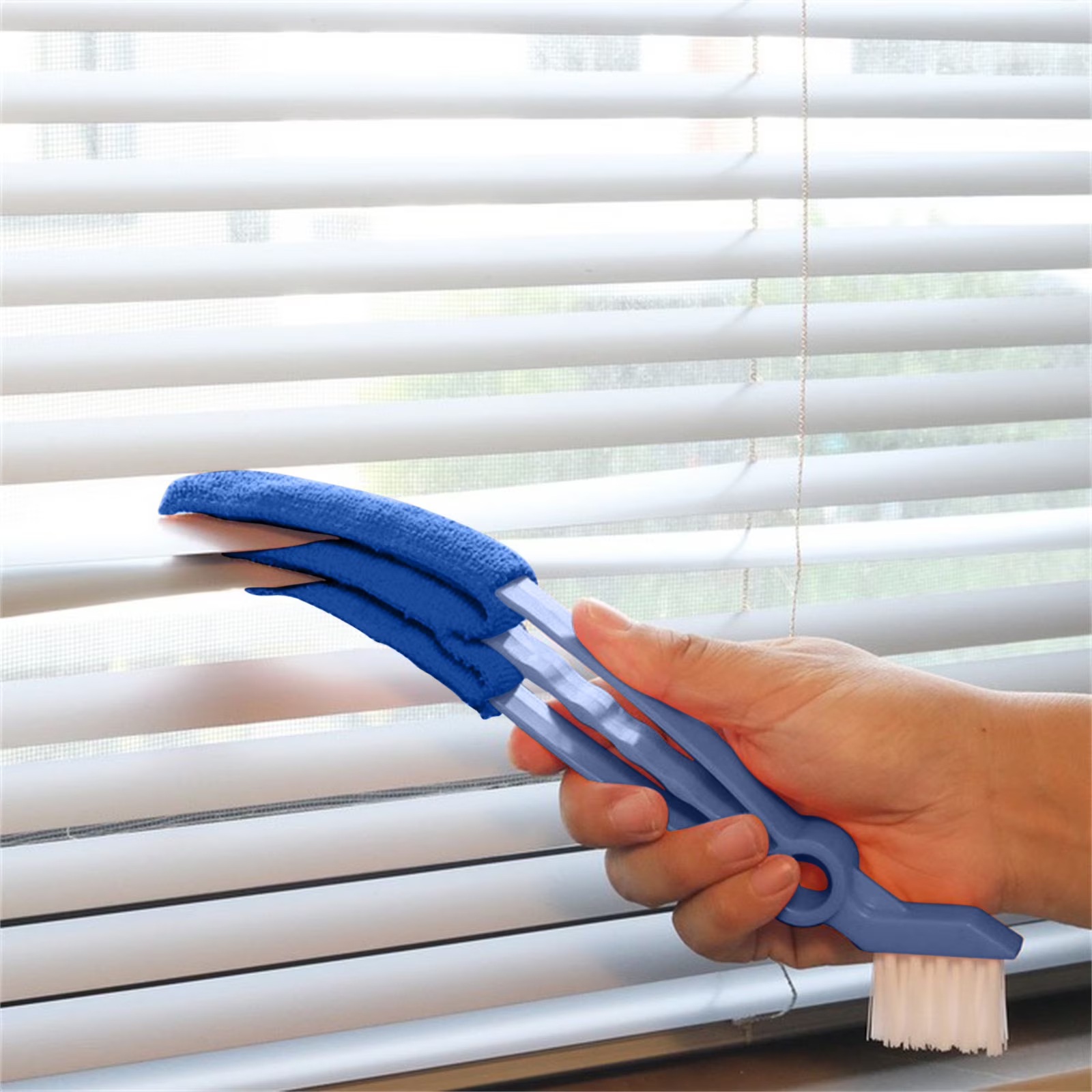
Ceiling fans, blinds, and lampshades quietly collect huge amounts of dust. A flexible microfiber duster with an angled head makes cleaning these surfaces much easier.
Why it works
Microfiber traps dust instead of simply spreading it around the air.
Best uses
- Ceiling fan blades
- Blinds and shutters
- Lampshades
- Curtain rods
- Air vents
Professional tips
- Always turn off the fan before cleaning
- Dust using slow, smooth movements
- For deeper cleaning every few months, slightly dampen the microfiber head
- Let blades dry before turning the fan back on
Ergonomic Brush for Window and Door Tracks
Window and sliding-door tracks are some of the dirtiest areas in many homes, yet they’re often ignored because they’re difficult to clean.
A narrow ergonomic track brush solves this problem quickly.
Why it works
Its shape reaches tight corners where dust, hair, and moisture collect.
Professional tips
- Start with dry brushing to remove loose debris
- Apply a mild cleaner and let it sit briefly
- Brush in one direction rather than randomly
- Finish with a dry microfiber towel to remove moisture and prevent streaks
Perfect for
- Sliding-door tracks
- Window frames
- Balcony doors
- Shower door rails
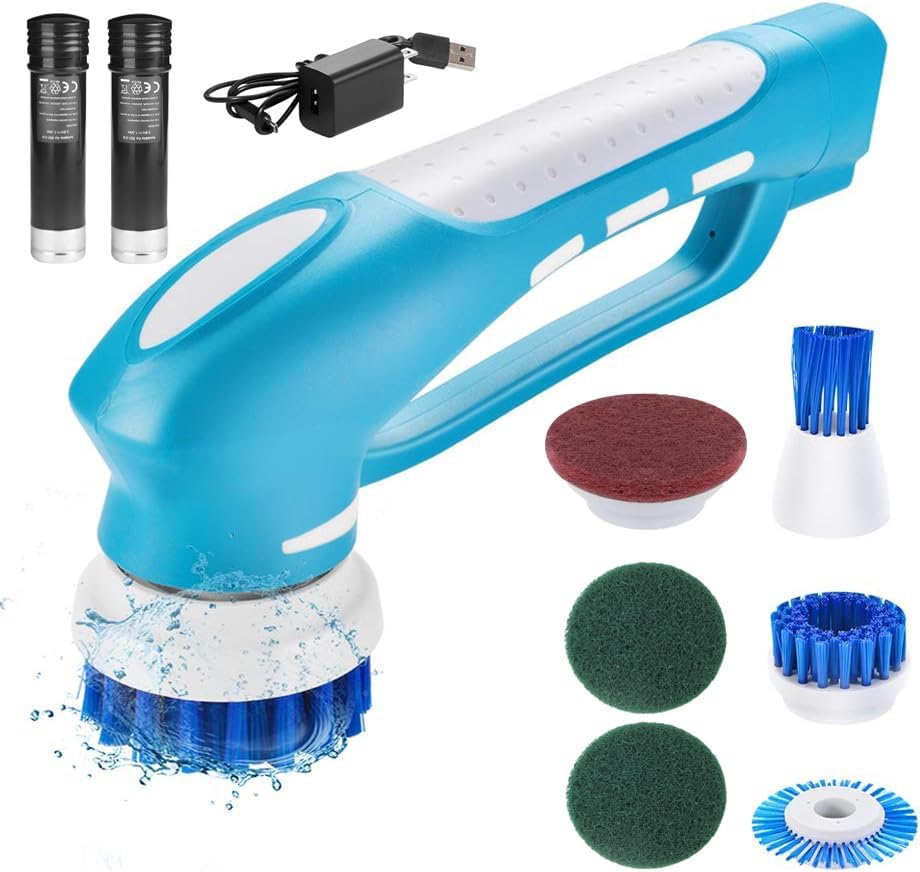
Electric Spin-Scrub Brush for Tile and Grout
This battery-powered tool with rotating heads cleans grout lines, corners, and textured surfaces with much less effort than manual scrubbing.
Why it works
The rotating motion pulls dirt from tiny crevices that regular sponges cannot reach.
Best areas to use it
- Tile grout
- Bathroom corners
- Baseboards
- Shower floors
- Around faucets
Professional tips
- Use soft bristles for regular maintenance
- Save stiff brushes for heavily stained grout
- Let the cleaner sit for 2-3 minutes before scrubbing
- Move in straight lines for an even result
- Rinse and wipe surfaces afterward to prevent residue buildup
Reusable Lint Roller for Lampshades and Soft Surfaces
Most people think lint rollers are only for clothing. In reality, reusable rollers are one of the fastest ways to remove dust and hair from delicate fabric surfaces.
Why it works
It removes dust instantly without soaking, steaming, or damaging the fabric.
Perfect for
- Lampshades
- Sheer curtains
- Cushions
- Fabric headboards
- Soft blinds
Professional tips
- Roll in one direction for better pickup
- Clean or replace the adhesive surface regularly
- Store it in a closed container to keep dust away
- Finish with a microfiber cloth for an extra polished look