

 You vacuum the floors, wipe the countertops, clean the bathroom, and take out the trash.
The house looks clean - but what about the places you rarely see?
You vacuum the floors, wipe the countertops, clean the bathroom, and take out the trash.
The house looks clean - but what about the places you rarely see?
Dust, grease, hair, moisture, and everyday grime gradually accumulate behind appliances, under furniture, on top of cabinets, around vents, and in dozens of other overlooked areas. Because these places are outside our normal line of sight, they can go untouched for months.
A truly clean home doesn’t mean cleaning every hidden corner every week. The key is knowing where dirt tends to accumulate and adding these areas to your cleaning routine at reasonable intervals.
Here are some of the most commonly overlooked places in the home - and practical ways to clean them.
Kitchen: Hidden Grease and Grime
The kitchen is particularly challenging because ordinary dust combines with grease, food particles, and moisture.
Tops of the Refrigerator and Cabinets
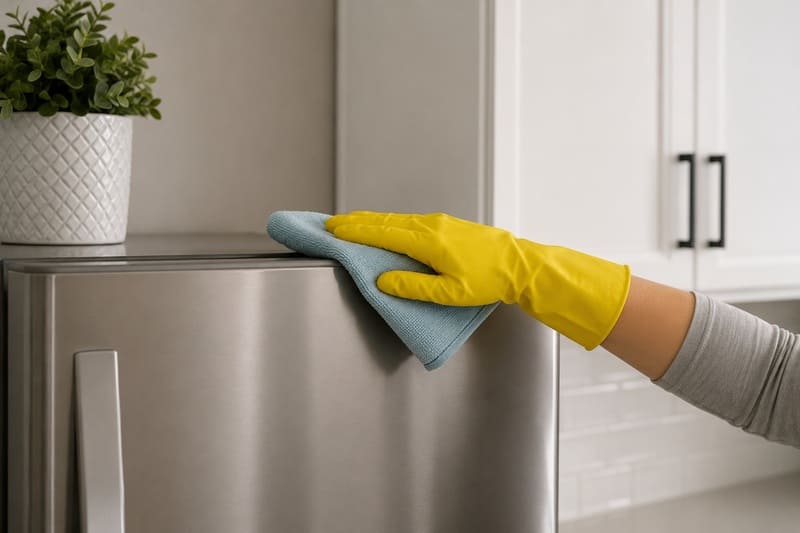
You may not see these surfaces, but dust and sticky kitchen residue gradually create a noticeable layer of grime.
How to clean: Remove loose dust with a microfiber or long-handled duster. If the surface is greasy, apply a suitable degreaser to a cloth and wipe thoroughly. Avoid spraying cleaner directly onto electrical appliances.
Behind and Under Appliances
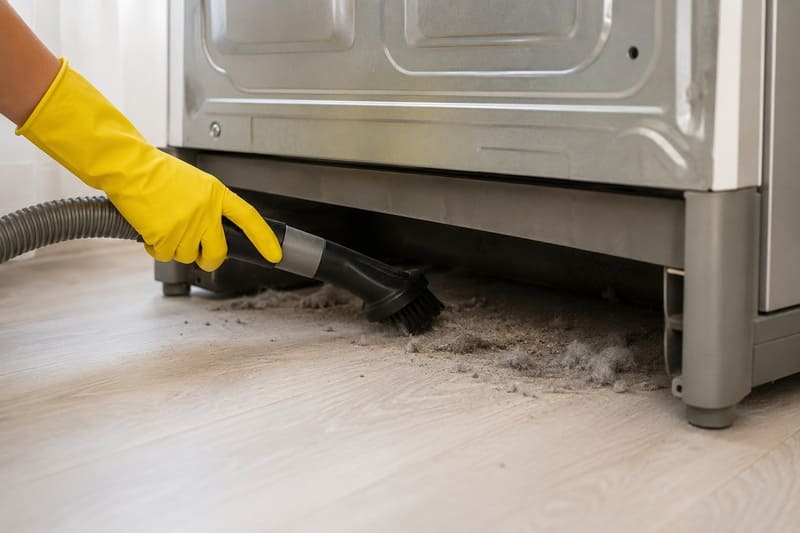
The spaces beneath and behind the refrigerator, stove, and other large appliances can collect crumbs, pet hair, dust, and old spills.
How to clean: If the appliance can be moved safely, pull it forward and vacuum the area using a crevice attachment. Wipe or mop the floor afterward and allow it to dry before moving the appliance back..
These areas don't need weekly attention, but including them in seasonal or deep cleaning can make a significant difference.
Cabinet Fronts and Handles
Cabinet handles are touched constantly, while grease gradually settles on doors—especially those close to the stove.
How to clean: Use a microfiber cloth with a mild cleaner suitable for the cabinet finish. Pay particular attention to handles, edges, and the areas immediately surrounding them.
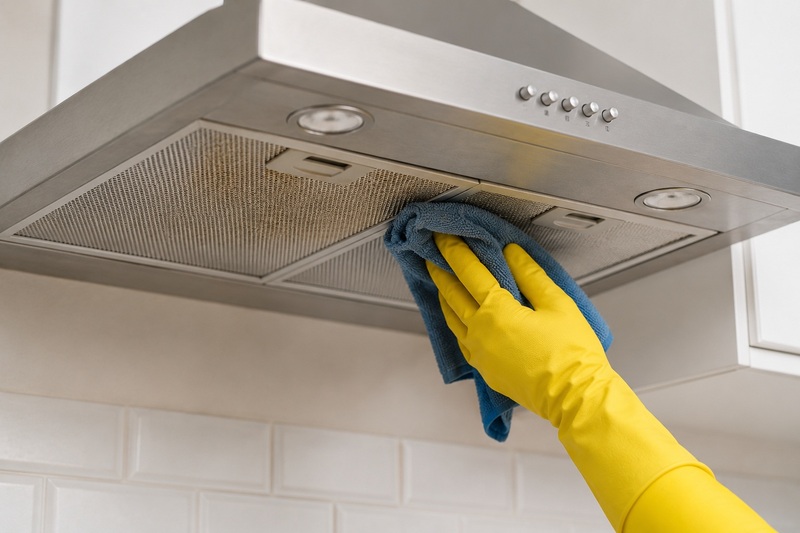
Range Hood and Filter
A range hood collects airborne grease while you cook, so both its exterior and filter can become surprisingly dirty.
How to clean: Wipe the exterior with an appropriate degreasing product. If the manufacturer allows it, remove washable metal filters and soak them in hot soapy water, gently scrub, rinse, and dry completely before reinstalling.
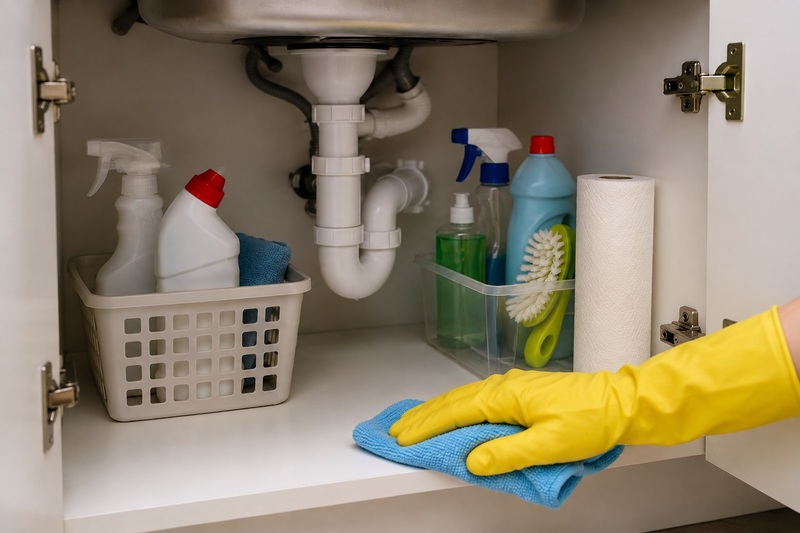
Under the Kitchen Sink
Cleaning products, pipes, trash bags, and miscellaneous household supplies can turn the cabinet under the sink into an easily forgotten area.
How to clean: Empty the cabinet completely, remove dust and debris, and wipe the shelves and accessible pipes. Allow everything to dry before putting items back.
Bathroom: Moisture Creates Hidden Problems
Bathrooms receive plenty of cleaning attention, but several areas are still routinely missed.
Behind the Toilet and Around the Base
The front of the toilet may be cleaned regularly while the narrow area behind it remains untouched.
How to clean: Remove nearby objects, vacuum or sweep loose debris, and clean the floor and toilet base with a suitable bathroom cleaner. A small brush can help reach narrow edges.
Toothbrush Holders and Small Containers
Constant exposure to water makes toothbrush cups, soap dishes, and other small bathroom containers easy places for residue to accumulate.
How to clean: Wash them regularly with hot soapy water and allow them to dry completely before putting them back.
Shower Door Tracks and Curtain Areas
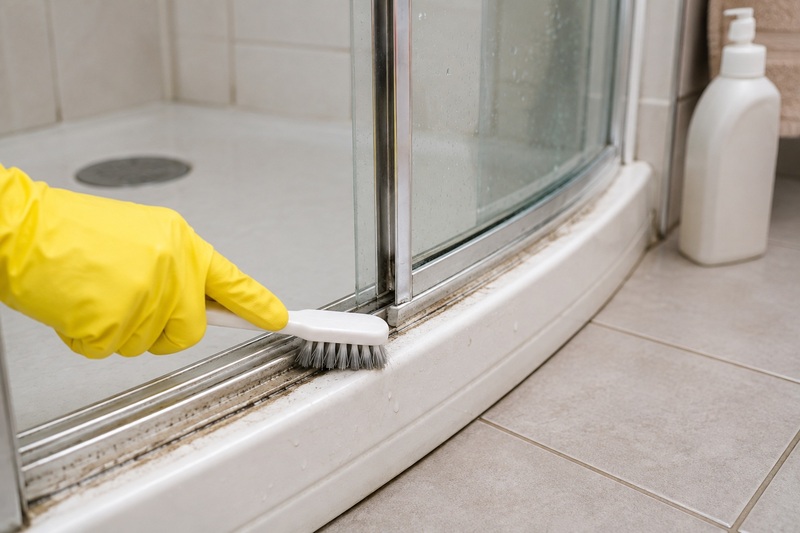
Soap residue, water deposits, and grime often collect along shower-door tracks, curtain rods, and other edges.
How to clean: Use a small brush to loosen buildup from tracks and corners. Wash removable shower curtains according to their care instructions and wipe rods and fittings regularly.
Exhaust Vent Cover
A bathroom exhaust fan helps remove moisture, but its cover gradually collects dust and lint.
How to clean: With the fan switched off, vacuum accessible dust from the cover. Removable covers can usually be washed separately if permitted by the manufacturer.
Keeping the vent clean also helps the ventilation system work more effectively.
Living Rooms and Bedrooms: Where Dust Likes to Hide
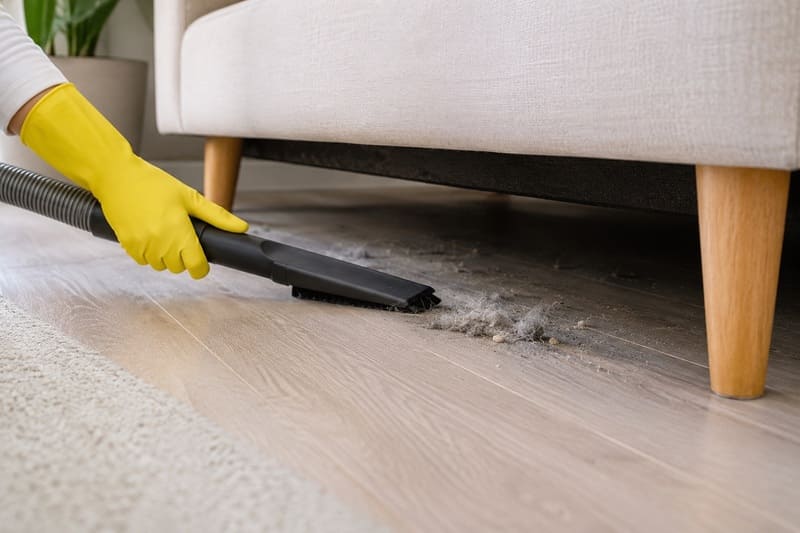
Some of the largest dust traps are located exactly where we rarely look.
Under Beds and Large Furniture
Dust, hair, textile fibers, and pet hair can accumulate underneath sofas, beds, cabinets, and other heavy furniture.
How to clean: Use a vacuum cleaner with a long or crevice attachment for regular maintenance. During deep cleaning, move furniture where practical and clean the entire floor underneath.
Baseboards, Door Frames, and Thresholds
These narrow surfaces gradually collect dust but rarely receive the same attention as floors.
How to clean: Vacuum or dust them first. Follow with a slightly damp microfiber cloth if necessary.
Ceiling Fans and Light Fixtures
High surfaces can accumulate significant amounts of dust. In the case of ceiling fans, some of that dust may be redistributed when the fan is switched on.
How to clean: Turn off the fan or light and use a long-handled microfiber duster. Clean slowly to avoid sending dust into the room.
Vents and Air Grilles
Air vents attract dust because air constantly moves through them.
How to clean: Vacuum accessible vent covers with a brush attachment and wipe them with a slightly damp microfiber cloth. HVAC filters should also be replaced according to the system manufacturer's recommendations.
Mattresses and Upholstered Furniture
A sofa may look perfectly clean while its fabric and the spaces beneath its cushions contain dust, hair, crumbs, and other particles.
How to clean: Vacuum mattresses, sofas, and armchairs with an upholstery attachment, paying particular attention to seams and gaps. Wash removable covers according to their care labels.
Don't Forget High-Touch Surfaces
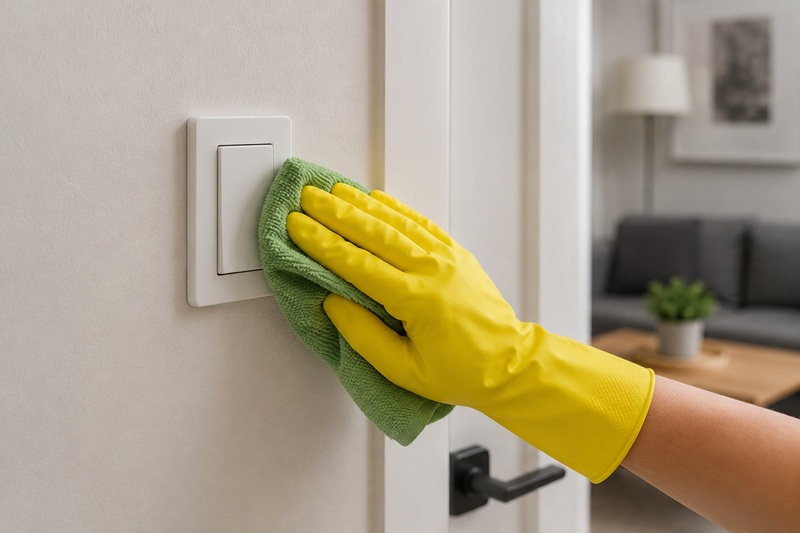
Some overlooked places aren't hidden at all. We simply become so accustomed to seeing them that we forget how frequently we touch them.
These include:
- Light switches
- Doorknobs and handles
- Stair banisters
- Remote controls
- Frequently used electronics
- Cabinet and drawer handles
Wipe these surfaces regularly with a product suitable for the material. For electronics, use minimal moisture and follow the manufacturer's cleaning instructions.
A Clean Home Goes Beyond What You Can See
A home can look perfectly tidy while dust and grime continue accumulating in areas outside your normal cleaning routine. The solution isn't to clean everything constantly - it's to occasionally look beyond the obvious surfaces.
Adding overlooked areas to your regular and seasonal cleaning schedule helps prevent heavy buildup and makes future cleaning considerably easier.
And when reaching behind furniture, cleaning high surfaces, moving appliances, and tackling accumulated grime becomes too time-consuming, Cleanline can take care of the deep cleaning for you. Professional apartment cleaning covers not only the surfaces you see every day, but also the easily forgotten areas where dirt tends to hide.