



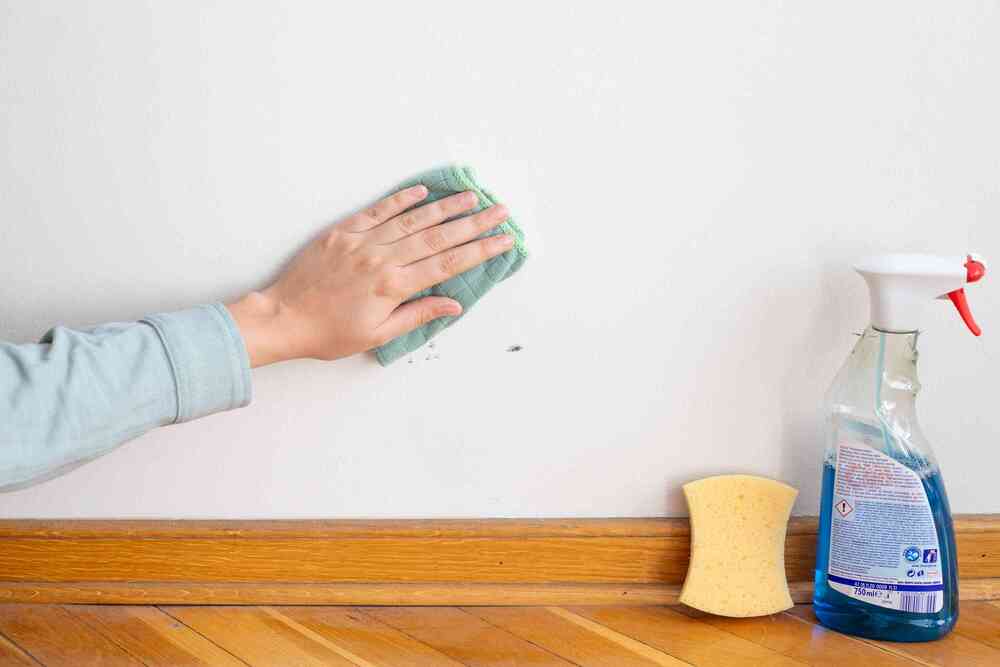
 Fingerprints around light switches, splashes near the dining table, dark marks behind
a chair - even carefully painted walls need occasional cleaning. A damp sponge may
seem like the obvious solution. Yet sometimes cleaning leaves a mark that is more
noticeable than the original stain: a pale patch, a streak, or an unexpectedly shiny
spot.
Fingerprints around light switches, splashes near the dining table, dark marks behind
a chair - even carefully painted walls need occasional cleaning. A damp sponge may
seem like the obvious solution. Yet sometimes cleaning leaves a mark that is more
noticeable than the original stain: a pale patch, a streak, or an unexpectedly shiny
spot.To clean painted walls without spoiling their appearance, first check what care the paint can tolerate. Test your chosen method in an inconspicuous area, then start with the gentlest approach.
Can You Wash Painted Walls?
Not all painted surfaces can withstand the same treatment. Some paints are designed for regular washing, while others need a much lighter touch.
Matt finishes generally require more care when cleaning. However, matt does not automatically mean non-washable. Some paints combine a matt appearance with a finish specifically designed to withstand washing. The characteristics of the particular product matter more than the wall’s appearance alone.
If you still have the paint tin, product name, or decorating records, check the manufacturer’s care instructions. Look for information about suitable cleaning products, recommended methods, and how long to wait before washing.
Freshly painted walls need particular care. Paint that feels dry has not necessarily reached its full hardness. The curing period depends on the product and drying conditions, so there is no single waiting time that applies to every painted wall.
Why Does Cleaning Sometimes Leave Marks?
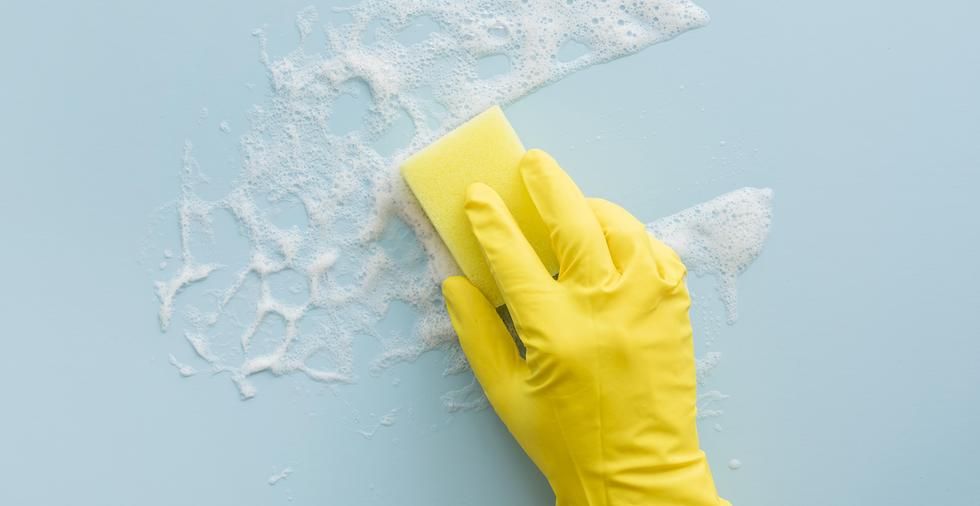
A mark left after cleaning does not always mean that dirt remains. Repeated rubbing can change the sheen of the paint. On a matt wall, this may create a smooth, shiny patch that stands out when light falls across the surface. Scrubbing it again can make the affected area larger.
In other cases, cleaning damages or removes part of the paint film. Abrasive products, rough sponges, and excessive pressure can all contribute to this problem.
Cleaning solution running down the wall can also leave streaks. Controlling moisture, removing detergent residue, and dealing with drips promptly are therefore important parts of the process.
How to Clean Painted Walls Step by Step
1. Prepare the Area
Move anything that prevents easy access and protect the floor along the skirting board. Gently remove loose surface dust with a clean, soft cloth or a suitable vacuum brush attachment, taking care not to scratch the paint.
Have a soft, non-abrasive sponge, clean water, and a dry, absorbent cloth ready.
2. Test an Inconspicuous Spot
Choose a small area hidden behind furniture or away from the main line of sight. Test the exact method you plan to use, including the same cloth, water, and cleaning product, if needed.
Let the test area dry before assessing it. If the colour, sheen, or texture has changed, do not use that method on the visible part of the wall.
3. Start with Water
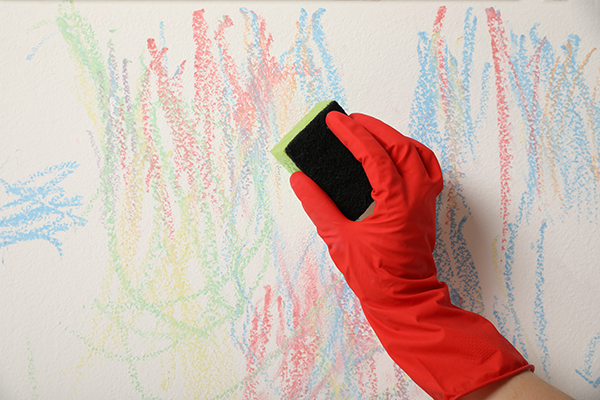
If the paint permits damp cleaning, moisten a soft sponge with warm water and wring it out thoroughly. Gently work over the mark with very little pressure.
Avoid repeatedly rubbing one spot in an attempt to remove a stubborn stain.
4. Use a Mild Cleaner Only If Necessary
If water is not enough, choose a cleaning product suitable for the particular paint. A diluted mild detergent may be appropriate for many washable finishes, but always check compatibility and follow the recommended dilution.
Work in small sections. Gently remove cleaning solution with a separate cloth dampened with clean water.
5. Remove Excess Moisture
Carefully blot the surface with a soft, dry cloth. Do not buff or polish it.
Allow the wall to dry completely before deciding whether further cleaning is necessary.
What Should You Avoid Using?
Trying to remove a stain quickly can lead to a cleaning method that is too harsh for the finish. Unless the paint manufacturer specifically allows them, avoid:
- stiff brushes and abrasive kitchen sponge pads;
- scouring powders;
- solvents and alcohol;
- heavy-duty degreasers;
- bleach-based cleaners.
Melamine cleaning sponges also deserve caution. Although they may feel soft, they work through fine abrasion and can alter the paint’s surface along with removing the mark. On a delicate finish, this can leave a conspicuous patch where a small stain used to be.
When Is It Better to Stop?
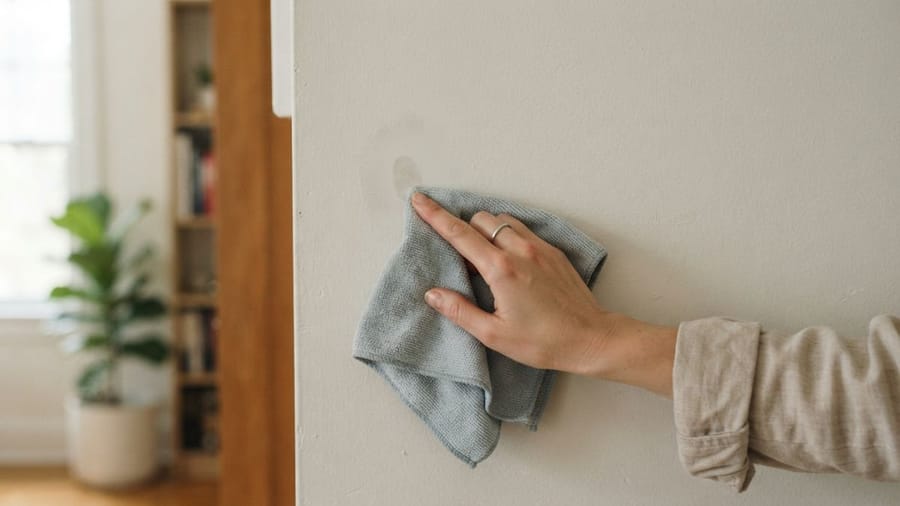
If a mark remains after a few gentle passes, do not automatically increase the pressure or reach for a stronger cleaner.
Stop if the area becomes shinier, lighter, or begins to lose paint. A shiny patch caused by furniture rubbing against the wall - or by previous cleaning — may be a change to the finish itself. Washing cannot restore the original texture, and repainting may be necessary.
When the paint type is unknown, the affected area is large, or the finish is particularly valuable, discuss the surface with a professional before continuing.
Careful Cleaning Starts with Understanding the Finish
The aim is to remove dirt while preserving the wall’s colour and texture. Checking the manufacturer’s guidance, testing a hidden area, and using minimal pressure can help prevent a small stain from becoming a decorating project.
If you are arranging professional apartment cleaning with Cleanline, mention painted walls when discussing the work. Share the paint’s name if you know it, and agree in advance on which surfaces can be treated and what the cleaning will include.